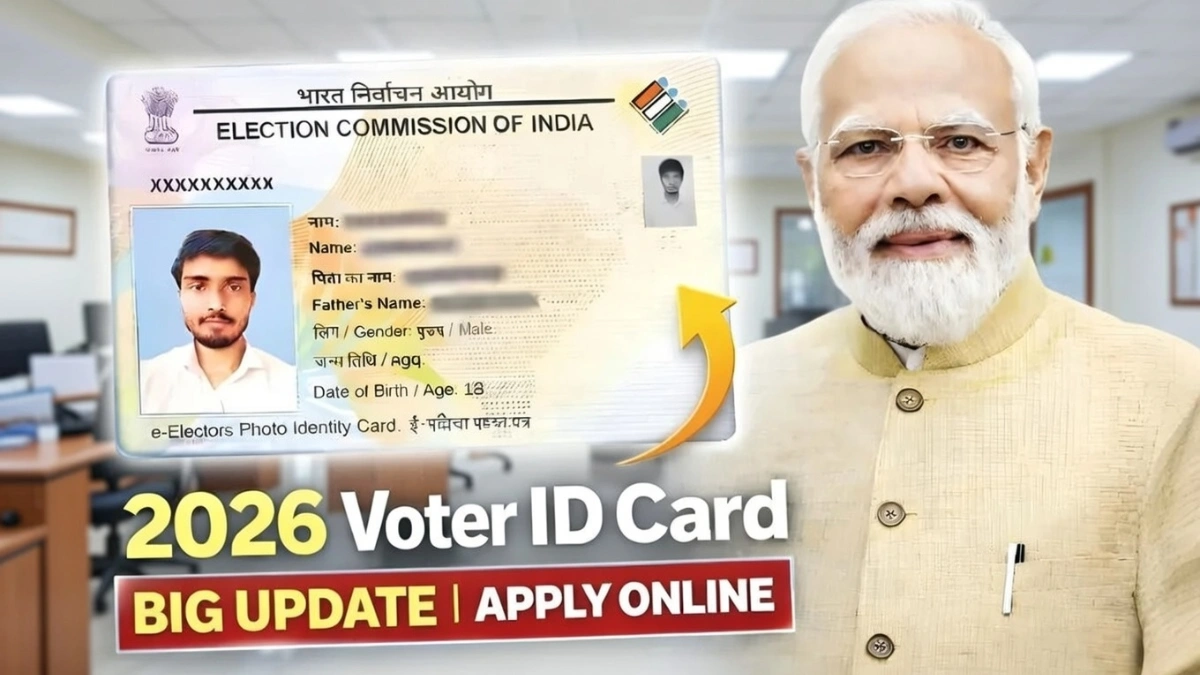
Voter ID System Updated in 2026: A significant update to the Voter ID Card system in 2026 has introduced new rules, expanded online services, and clearer guidelines aimed at making voter registration and corrections faster, more transparent, and error-free. The changes are designed to strengthen electoral integrity while improving convenience for citizens, especially first-time voters and those who relocate frequently.
Why Voter ID Rules Were Updated in 2026
Authorities identified challenges such as duplicate entries, outdated addresses, and delays in corrections that affected voter participation. With growing reliance on digital governance, the 2026 update focuses on accurate databases, quicker verification, and easier access to voter services without repeated visits to offices.
The goal is clean electoral rolls and hassle-free voter access.
What’s New in Voter ID Rules
The revised framework tightens verification while simplifying processes. Identity and address checks are more structured, reducing mismatches and duplicate records. Clear timelines for updates and transparent tracking have been introduced so applicants can monitor progress without uncertainty.
These measures reduce errors and improve trust in the system.
Online Application and Correction Services Expanded
Voters can now apply for a new Voter ID, update address details, correct personal information, and track application status entirely online. The digital workflow reduces paperwork and speeds up approvals, especially for routine corrections and address changes.
Online services are particularly helpful for students, migrants, and working professionals.
Aadhaar Linking and Data Accuracy
The 2026 guidelines encourage voluntary Aadhaar linking to improve data accuracy and prevent duplication. Safeguards are emphasized to ensure privacy while using Aadhaar only for verification purposes. Voters are informed clearly about consent and usage during the process.
Accurate data helps maintain a reliable voter list.
Impact on First-Time Voters and Migrants
First-time voters benefit from clearer eligibility guidance and simplified onboarding. Migrants can update their address and constituency online, ensuring they remain eligible to vote where they reside. This flexibility supports higher participation without compromising verification.
Verification and Transparency Improvements
Verification steps have been streamlined with better coordination between digital records and local verification where required. Applicants receive updates at each stage, reducing confusion and follow-ups. Rejection reasons, if any, are communicated clearly to allow quick correction.
Oversight and Implementation Authority
All voter registration and ID updates are implemented under the supervision of the Election Commission of India, which sets uniform standards across states and oversees compliance. Official portals and notifications remain the authoritative sources for rules and timelines.
What Voters Should Do Now
Citizens should review their voter details, update addresses if they have moved, and correct any errors well before election schedules. Keeping contact information current ensures timely alerts and smoother verification. Using official online portals helps avoid misinformation.
Conclusion: The Voter ID Card update for 2026 delivers a more efficient, transparent, and voter-friendly system. With clearer rules, expanded online services, and improved verification, citizens can manage their voter records with confidence and ease. Staying proactive with updates ensures uninterrupted voting rights and a stronger democratic process.
Disclaimer: This article is for informational purposes only. Voter ID rules, procedures, and timelines may change through official notifications. Citizens should refer to authorized portals and communications from the Election Commission of India for the most accurate and current information.